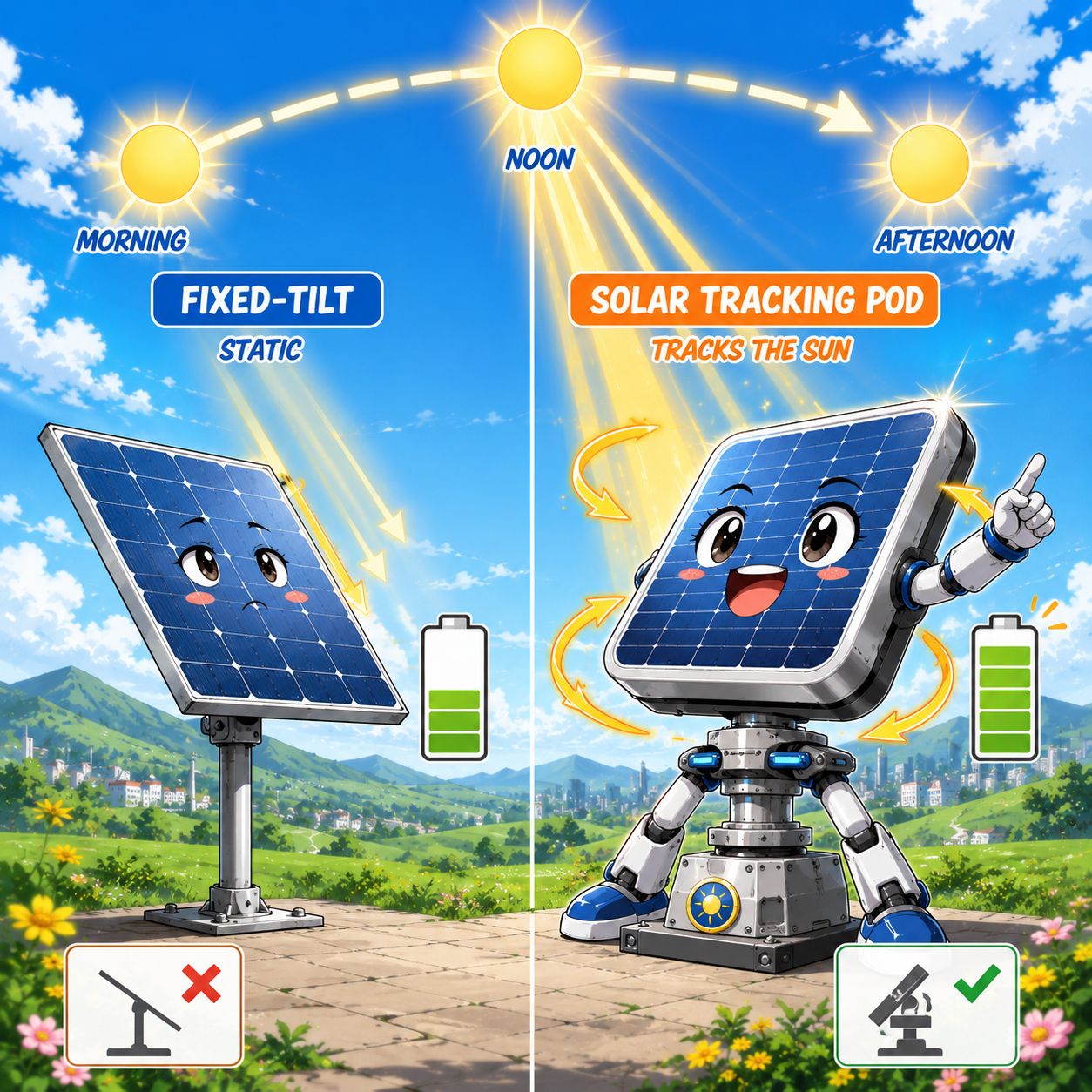
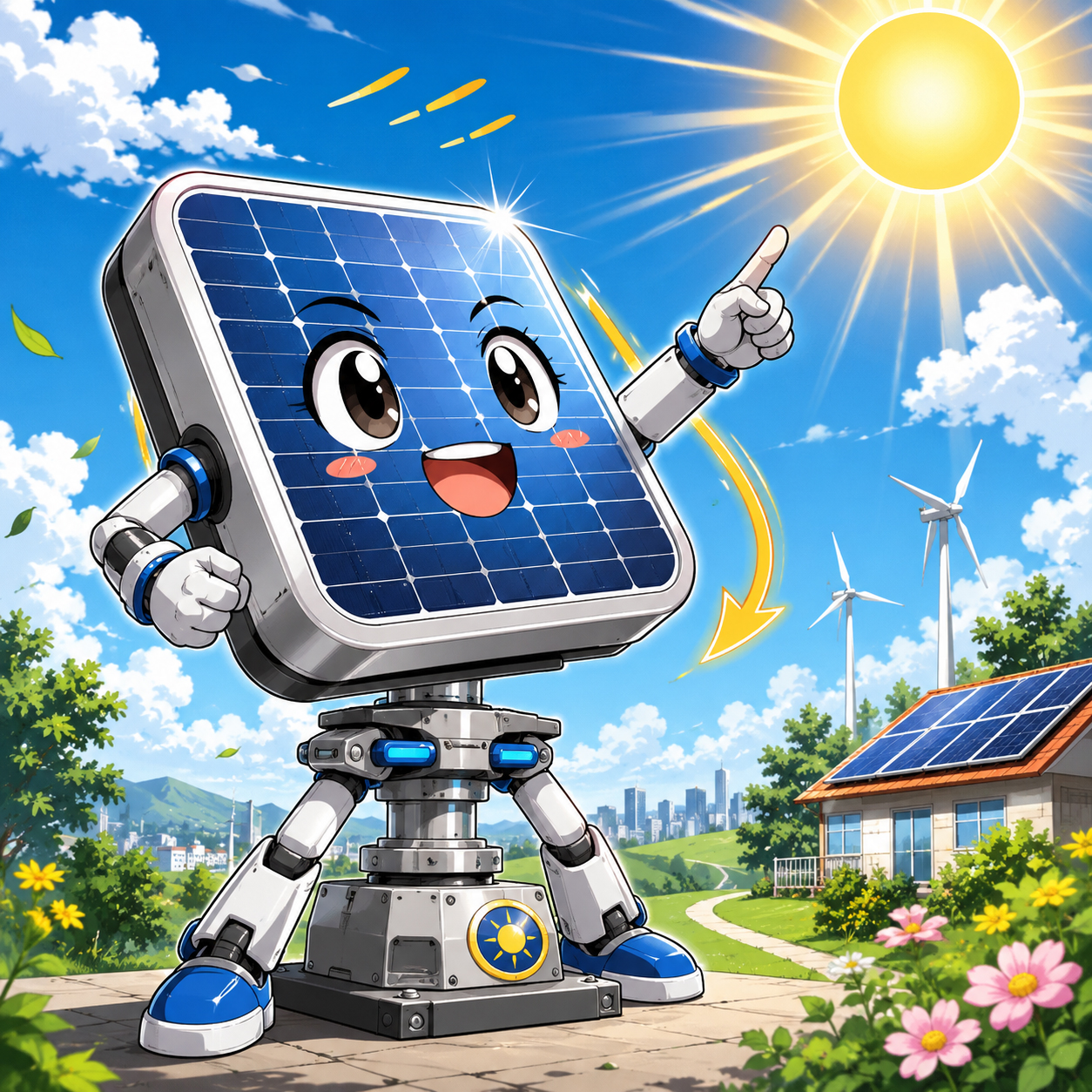
Battery Beast enters the story

Tracking matters when batteries are hungry.

A battery does not care about solar drama. It cares about useful charging. Tracking can help stretch the charging window, but only when the extra hardware is justified by the load, timing, site, and maintenance reality.
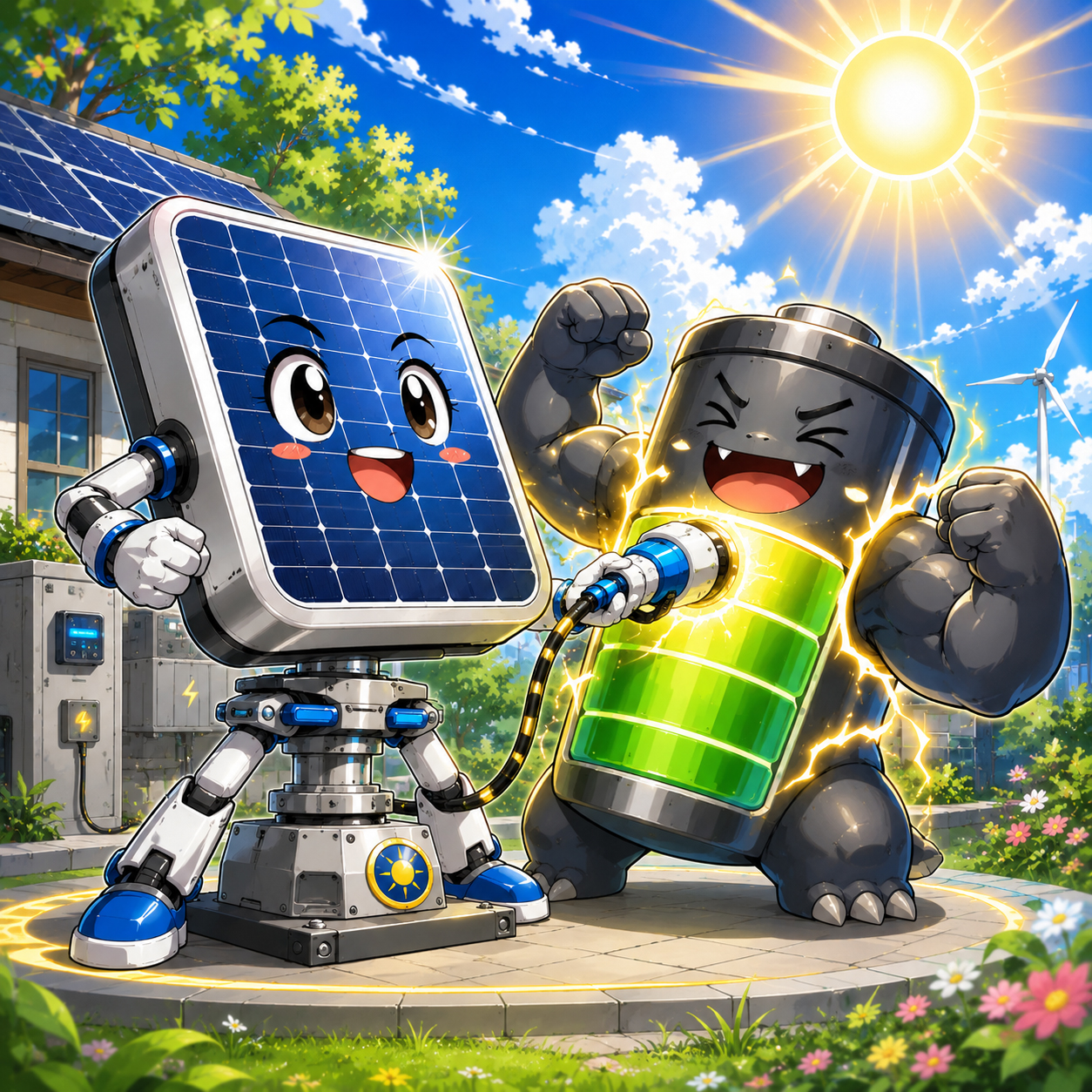
Solar tracking pod charging Battery Beast
CHARGE
BEAST!

Why batteries change the discussion.

Without storage, solar production timing may be less flexible. With storage, the question becomes: when can the battery be filled, and what is it supposed to do later?

Morning charge

Tracking can help begin useful production earlier, which may matter for systems that need to refill after overnight use.

Midday bulk

Fixed solar already performs strongly near its design window. Tracking must prove it adds value beyond this normal solar strength.

Afternoon finish

Late-day production can help top off batteries before evening loads or utility peak-rate periods.

Load mission

The battery should have a clear job: backup power, peak shaving, EV charging support, water pumping, communications, or demonstration.

Battery Beast wants a steady meal.

A battery system is happiest when the solar charging plan matches the expected loads. Tracking can broaden the feeding window, but it cannot fix poor battery sizing or bad load planning.

  • Size the battery around critical loads and runtime.
  • Know what must run at night or during an outage.
  • Model seasonal production, not just a sunny-day cartoon.
  • Respect inverter limits, charge limits, and safety requirements.
Battery Beast being charged by Solar Pod Boy

A battery day in manga panels.

The value of tracking depends on the shape of the day and the job of the battery.

Sunrise The battery may be low after overnight loads. Early charging can matter.
Morning A tracker may capture better angle energy than a fixed panel.
Noon Solar output is strong. Fixed and tracking systems both have opportunity.
Afternoon Tracking can help continue useful charging as the sun moves west.
Evening The battery carries the mission: lights, critical loads, peak shaving, or backup.
Fixed Tilt Sensei manga solar character

Fixed solar can still feed Battery Beast.

Do not assume tracking is required just because there is a battery. Many battery systems are better served by simple, reliable fixed solar.

  • Fixed solar has fewer moving parts.
  • More fixed panels may beat fewer tracking panels.
  • Roof systems are normally fixed, not tracking.
  • Maintenance and permitting may be simpler.
  • Battery sizing and load control may matter more than tracking.

When tracking helps a battery.

Tracking is strongest when production timing matters and the site supports the hardware.

Tracking may help when

  • The battery needs earlier morning recovery.
  • Afternoon charging has value before evening loads.
  • The system serves EV charging, pumps, or off-grid loads.
  • The site has open ground and safe clearance.
  • The project can support engineering, controls, and maintenance.
  • The added production shape beats the cost of more fixed panels.

Tracking may not help when

  • The battery can already charge adequately from fixed solar.
  • The site is roof-mounted or space-constrained.
  • Wind exposure makes motion risky or expensive.
  • The budget cannot support moving hardware.
  • The battery is undersized for the actual loads.
  • The project needs simple, low-maintenance reliability.

Battery design comes first.

A tracking pod cannot rescue a poorly planned battery system. Start with loads, runtime, inverter capacity, charge limits, safety equipment, code compliance, and backup expectations.

Wind Goblin attacks battery dreams too.

The battery may be indoors or protected, but the tracking hardware still lives outside. A battery-backed tracker must be both electrically and mechanically serious.

  • Stow behavior for wind and storms.
  • Safe disconnects and service access.
  • Wire management through moving parts.
  • Battery fire, spacing, ventilation, and code requirements.
  • Qualified design and permitting before installation.
Wind Goblin attacking a solar tracker

Battery missions.

A tracking pod becomes more defensible when the battery has a clear mission.
Good missions

  • Critical-load backup during outages.
  • Peak-rate evening support.
  • Remote communications or sensors.
  • Water pumping and controls at rural sites.
  • EV charging support where grid capacity is limited.
  • School demonstration systems showing energy storage.

Questions to answer

  • What exact loads must the battery support?
  • How many hours of runtime are required?
  • How fast must the battery recharge?
  • What happens in winter or cloudy weather?
  • Who maintains the system after installation?
  • Would fixed solar plus load control be better?
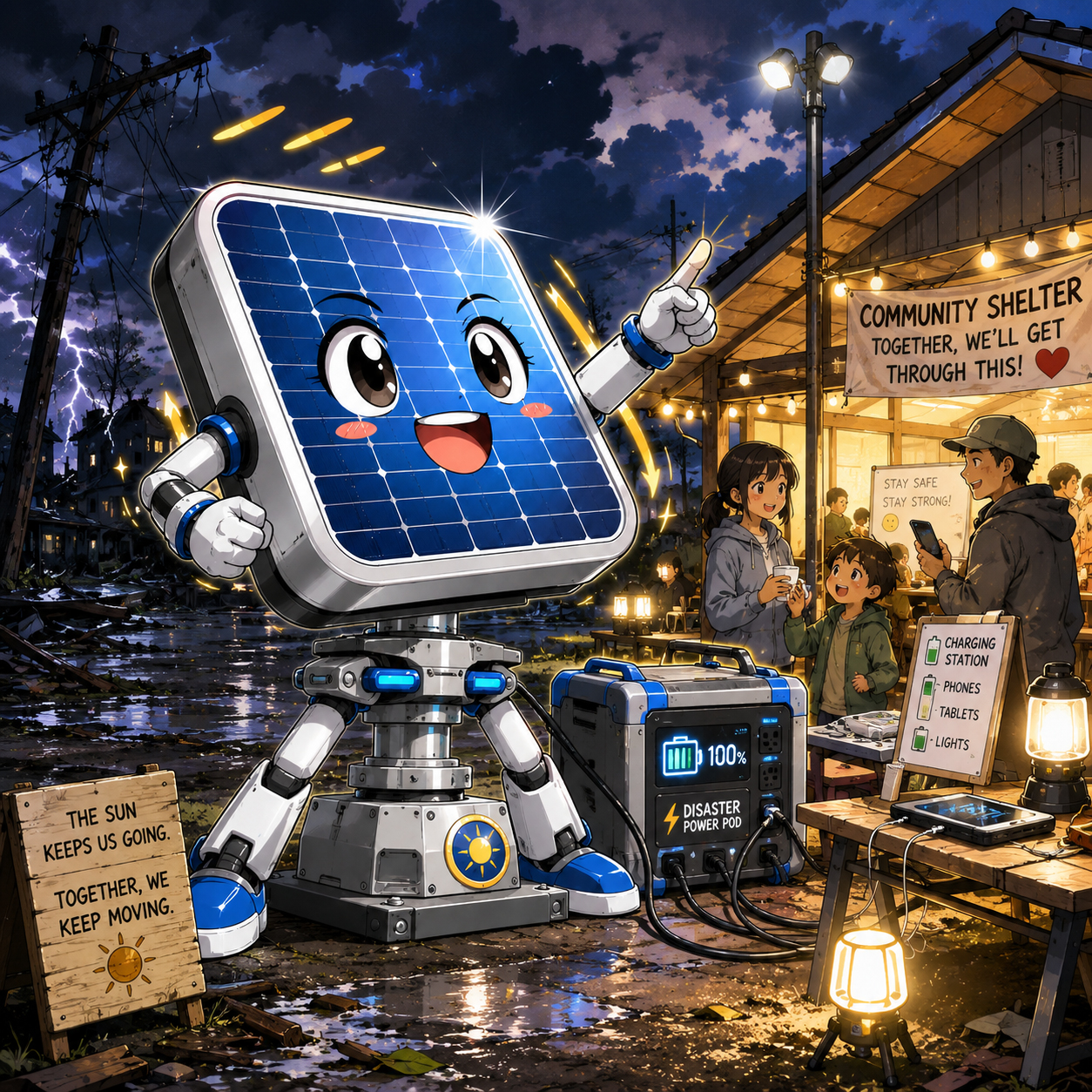
Solar tracking pod supporting disaster power

Backup power needs discipline.

In the manga, the pod saves the day. In real life, backup power is load planning, battery capacity, transfer equipment, code compliance, and maintenance.

  • Separate critical loads from wish-list loads.
  • Plan safe transfer and isolation from the grid.
  • Protect batteries from weather and unsafe conditions.
  • Test the system before emergency day.

Continue the pod lab.

Battery Beast links naturally to EV charging, disaster power, and tracking comparisons.

Bottom line.

Tracking can help batteries when charging timing matters. But the battery plan, load plan, inverter limits, code requirements, and maintenance plan matter more than the cartoon excitement of a moving panel.