After the storm, the load list gets honest

Disaster power starts with critical loads.

In the manga, Solar Pod Boy brings light back to the shelter. In real life, disaster power is not magic: it is batteries, inverters, transfer safety, load discipline, solar recharge, code compliance, and tested procedures.
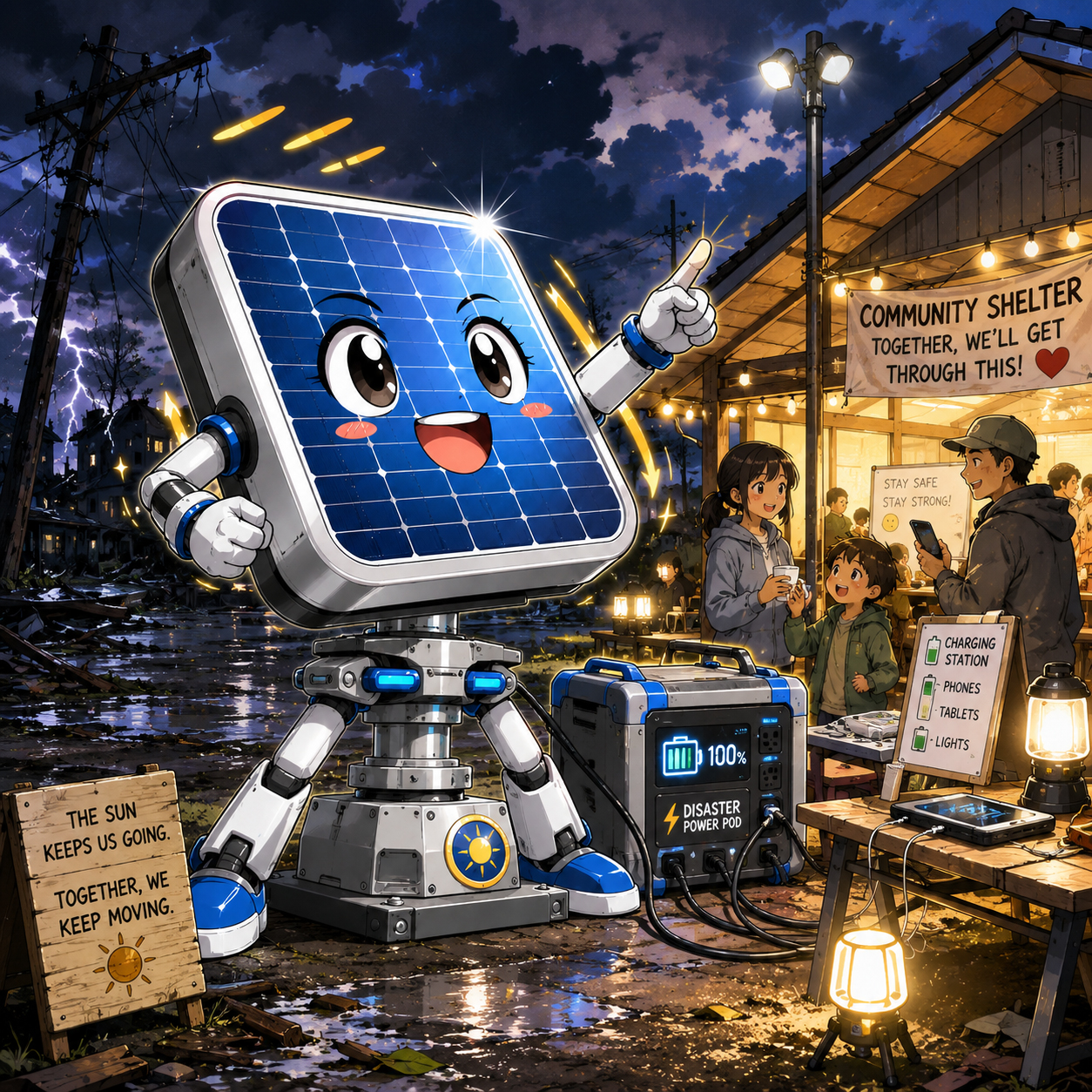
Solar tracking pod powering a disaster relief scene
LIGHTS
ON!

Critical loads only.

A disaster power pod is strongest when it serves a short, disciplined list of essential loads. The longer the wish list, the bigger the system.

Lighting

Efficient LED lighting can make a shelter, garage, barn, or home base usable during a blackout.

Communications

Phones, radios, internet gear, and small electronics can become critical when normal systems fail.

Medical basics

Any medical-related backup need must be handled carefully, conservatively, and with professional planning.

Refrigeration

Food or medicine refrigeration can be important, but compressor loads and runtime must be modeled honestly.

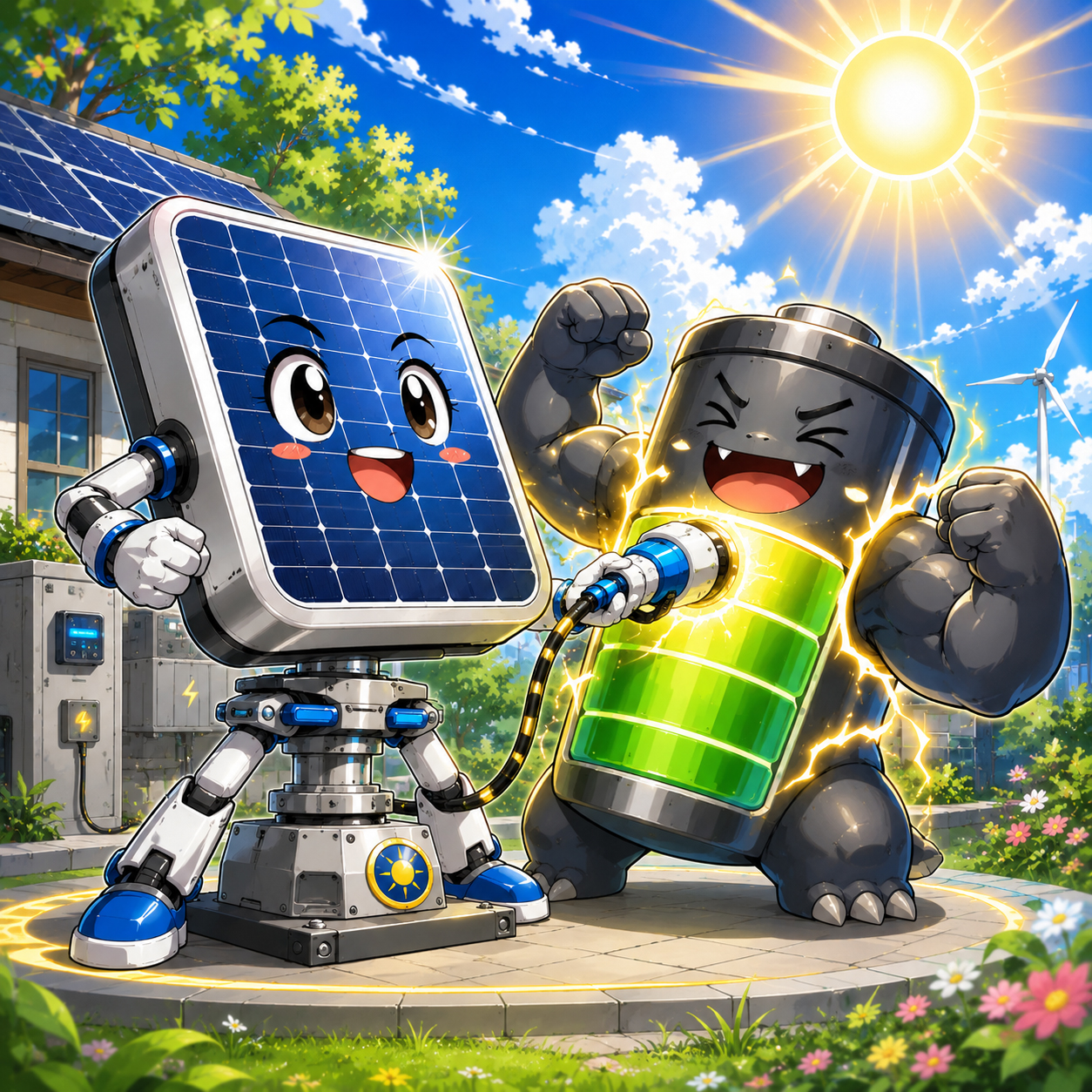
Battery Beast carries the night.

Solar panels produce when the sun is available. Disaster loads often happen after dark. That makes battery capacity, inverter limits, and load control central to the design.
  • List every critical load and its watts.
  • Estimate realistic hours of runtime.
  • Separate critical loads from comfort loads.
  • Size battery capacity conservatively.
  • Test the system before the emergency.
Battery Beast being charged by a solar tracking pod

The emergency load board.

Disaster planning is a load budget. The pod should not be asked to power everything.

Possible critical-load categories

Lights LED area lights, task lights, exterior safety lights, and exit paths.
Phones Phone charging, radios, tablets, laptops, and small communications equipment.
Internet Router, modem, Starlink-style equipment, or emergency communication links.
Refrigeration Food, medicine, or essential cold storage with compressor surge considered.
Water Small pumps, controls, pressure systems, or water treatment where essential.
Controls Gate controls, cameras, sensors, alarms, battery management, and monitoring.

Do not put the whole house on the comic panel.

Whole-home backup is a major engineered system. A disaster power pod concept is better framed around critical loads unless the system is fully designed, permitted, inspected, and tested for larger service.
Solar tracking pod following the sun

Solar recharge is not guaranteed every day.

After storms, smoke, dust, clouds, or wind, solar production may be reduced. Disaster power design must assume imperfect solar days.

  • Model cloudy and winter production.
  • Keep panels clean and accessible.
  • Plan for weather damage and debris.
  • Use conservative runtime assumptions.
  • Consider backup charging sources where appropriate.

Three disaster-pod realities.

The same manga image can represent very different system sizes.

Small relief pod

  • Phone charging and LED lights.
  • Small communications equipment.
  • Portable battery or small fixed battery unit.
  • Simple solar recharge expectations.
  • Best for demonstration or limited emergency support.

Critical-load system

  • Dedicated critical-loads panel or circuits.
  • Listed inverter and battery equipment.
  • Safe transfer/islanding design.
  • Permits, inspections, and code compliance.
  • Designed around defined runtime and recharge targets.

Transfer safety is not optional.

Backup power must not backfeed utility lines or energize circuits unsafely. The electrical design must isolate, transfer, and protect correctly.

  • Use listed transfer equipment where required.
  • Follow utility and electrical code requirements.
  • Protect firefighters, lineworkers, and occupants.
  • Label equipment clearly.
  • Have qualified professionals install and inspect the system.
Professor Sol-Turn explaining disaster power safety

Good-fit and hard-fit disaster cases.

Disaster power is serious. The pod should be honest about what it can and cannot do.
Good-fit situations

  • Phone charging and emergency communications.
  • LED lighting for a small shelter or safe area.
  • Battery-backed critical circuits.
  • Remote gate, camera, or water-control systems.
  • Community demonstration or education systems.
  • Planned resilience sites with maintenance and testing.

Hard-fit situations

  • Whole-home backup expectations from a small pod.
  • Large HVAC loads without major battery and inverter capacity.
  • Medical needs without professionally validated backup design.
  • Storm areas where the tracker itself may be exposed.
  • Systems that are never tested before an emergency.
  • Unsafe extension-cord or backfeed improvisation.
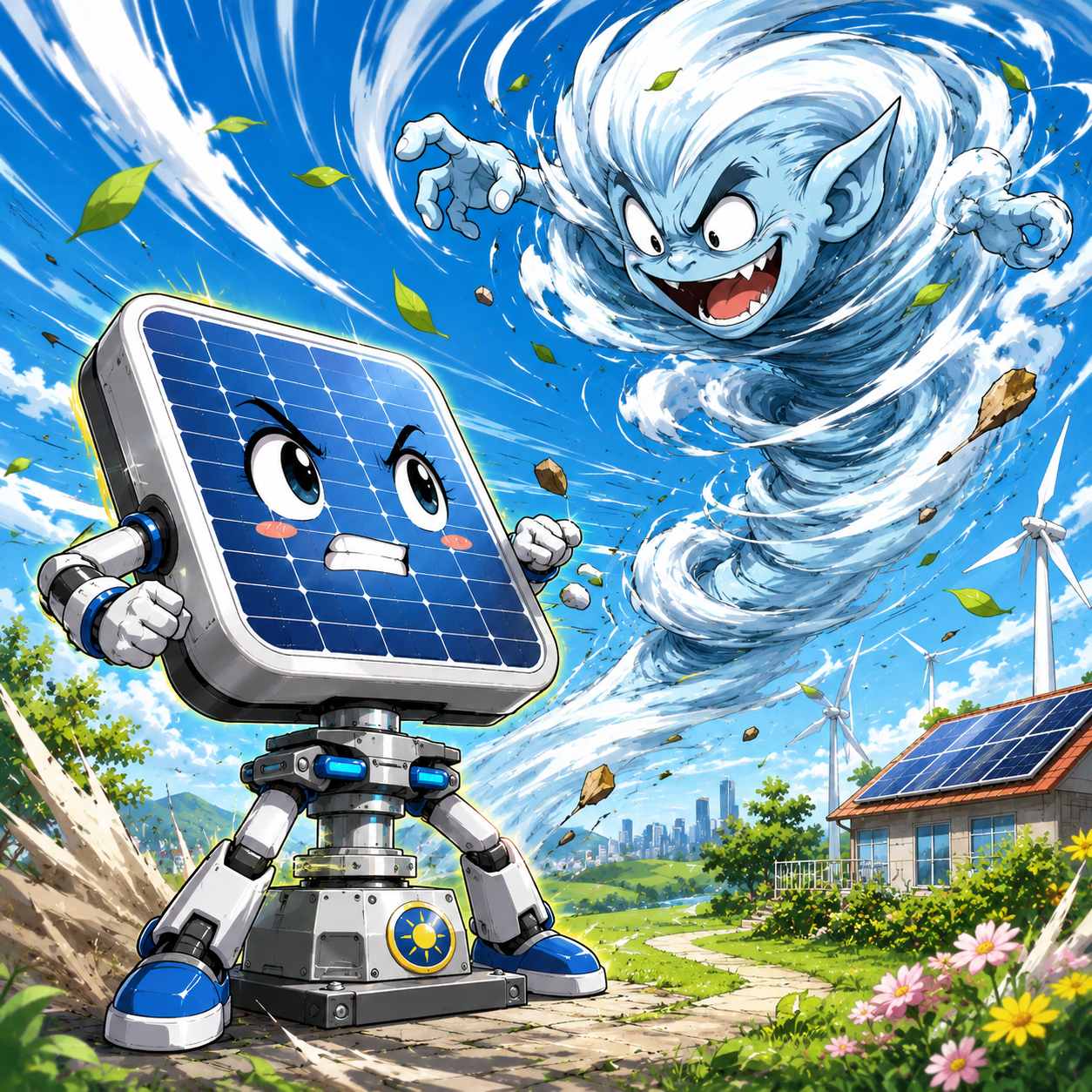
Wind Goblin attacking a solar tracker

The Wind Goblin comes during disasters.

Disaster power equipment must be ready for the same conditions that cause outages: wind, debris, rain, smoke, heat, and access problems.

  • Engineer the tracker or use fixed solar where appropriate.
  • Protect batteries from weather and damage.
  • Keep equipment accessible after a storm.
  • Plan safe stow, shutdown, and restart procedures.
  • Test maintenance procedures before disaster day.

Continue the pod lab.

Disaster power connects to batteries, remote water, EV charging, and fixed-vs-tracking decisions.

Bottom line.

Disaster power pods are strongest when they are honest: critical loads only, conservative runtime, safe transfer, protected batteries, realistic solar recharge, and qualified professional design. The manga can inspire the plan. The engineering must protect people.