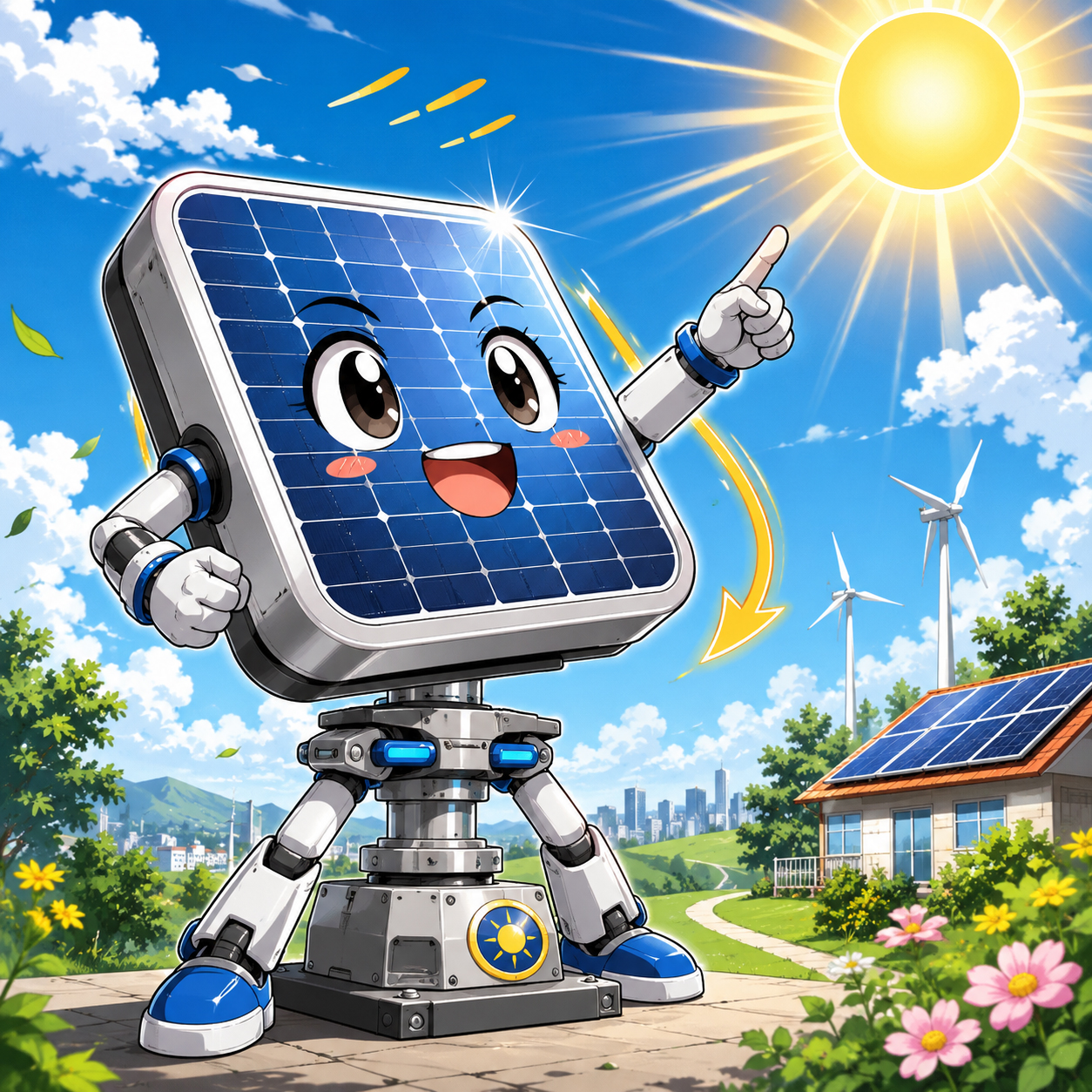
Episode 1

The Pod That Followed the Sun.

Solar Pod Boy wakes up, sees the sun move, and refuses to sit still. Professor Sol-Turn calls it curiosity. Fixed-Tilt Sensei calls it “expensive enthusiasm unless there is a reason.”

Solar tracking pod following the sun
SUN
LOCK!

The episode.

The first story is simple: a panel notices the sun is not standing still. The lesson underneath is solar geometry.

Solar tracking pod waking up to sunlight
Panel 1

Morning: Solar Pod Boy wakes up.

The first sunbeam hits the yard. Fixed-Tilt Sensei is already facing one chosen direction, calm and steady. Solar Pod Boy blinks, notices the sun is off to the side, and says the dangerous first sentence of every invention:

“Why are we all facing yesterday’s angle?”
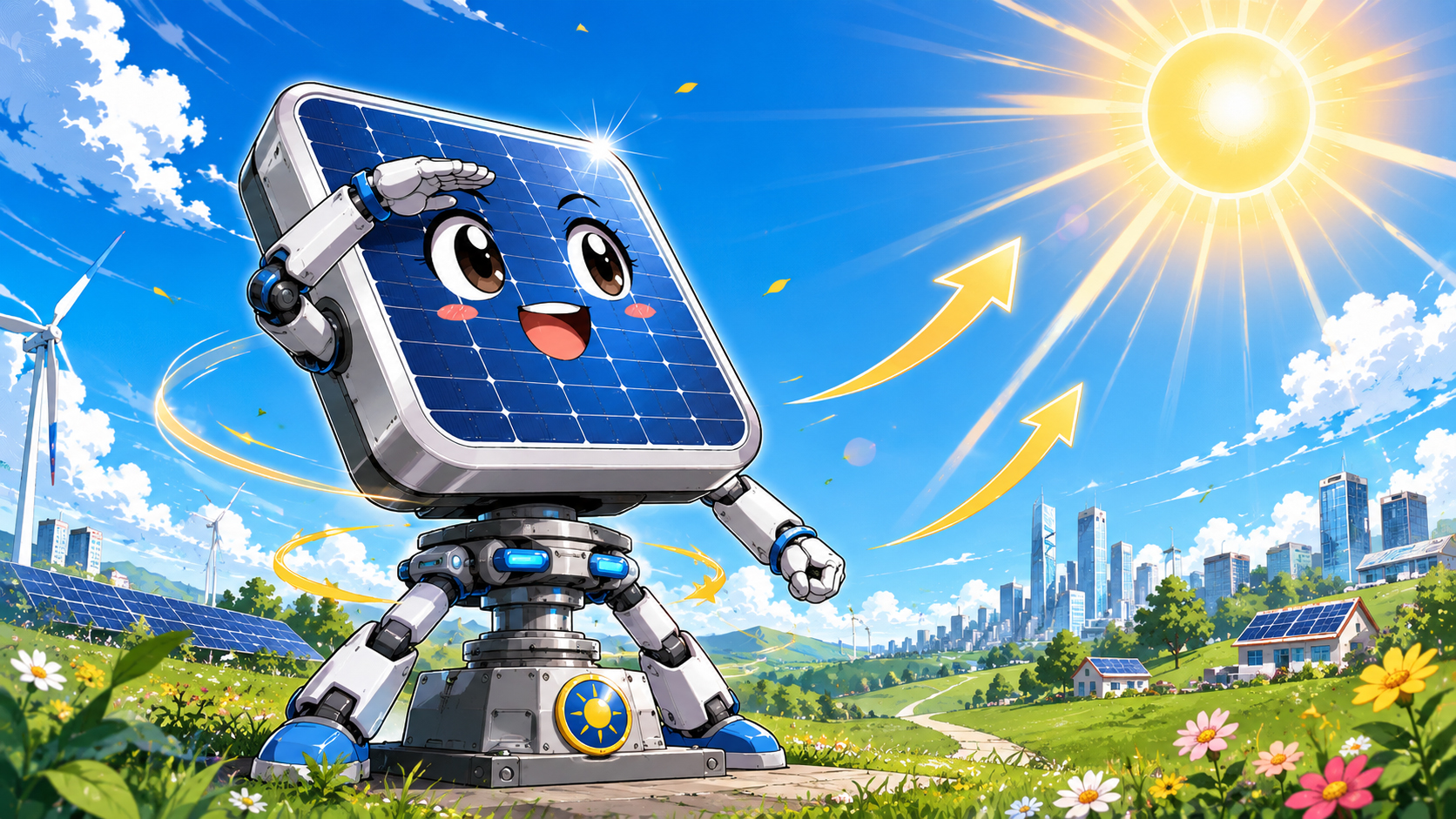
Solar Pod Boy pointing at the sun
Panel 2

The pod turns.

Solar Pod Boy rotates toward the morning light. The panel sparkles. The birds are impressed. The utility meter pretends not to notice.

“If the sun moves, I move!”
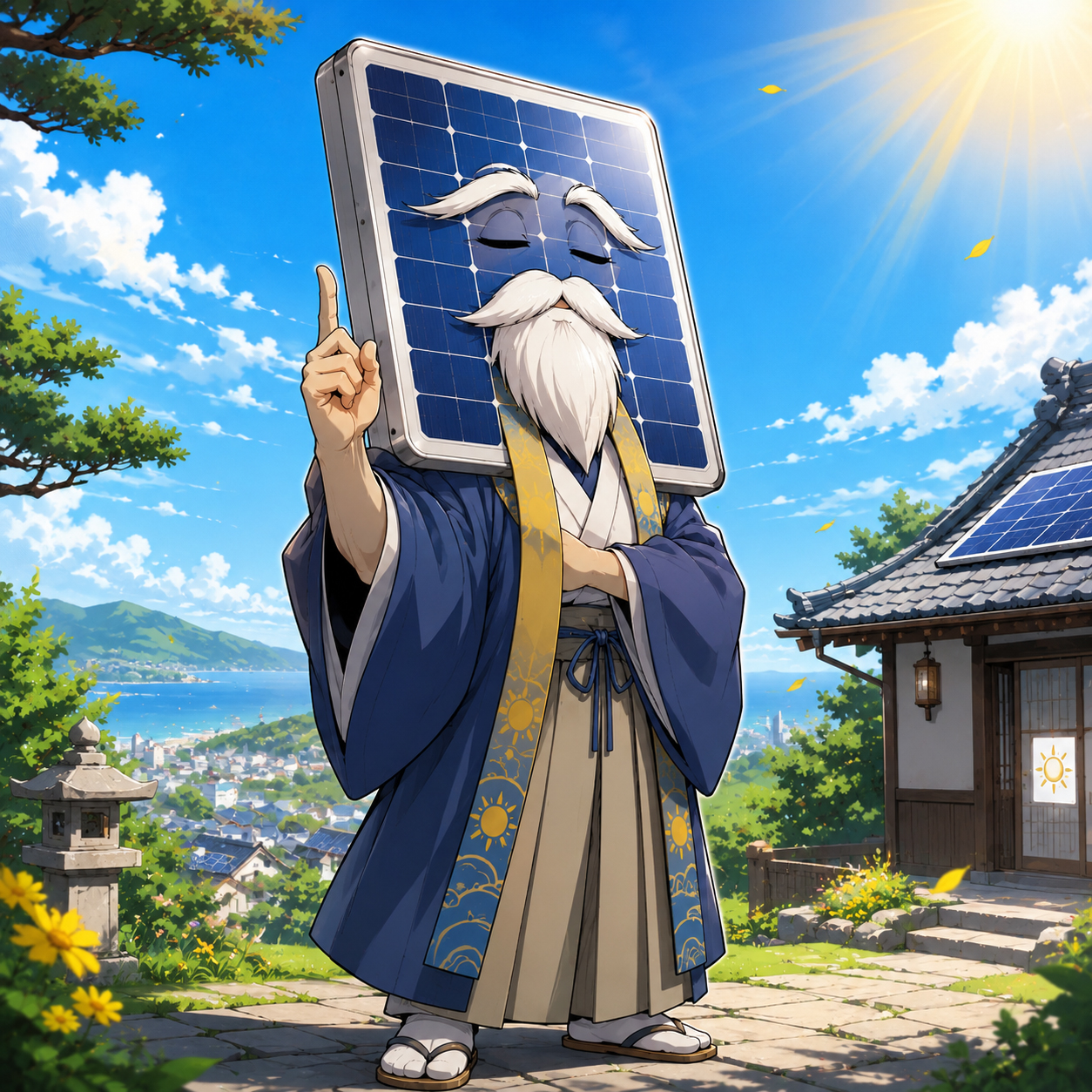
Fixed Tilt Sensei speaking wisely
Panel 3

Fixed-Tilt Sensei responds.

The old master does not panic. He has seen many shiny ideas. His frame is still, his bolts are tight, and his advice is annoying because it is correct.

“Motion is not wisdom. Motion must earn its keep.”

Professor Sol-Turn explaining sun path
Panel 4

Professor Sol-Turn draws the sun path.

Professor Sol-Turn rushes out with a whiteboard, three markers, and too much enthusiasm. He draws the sun rising, climbing, and moving west.

“Children, this is not magic. It is geometry plus hardware plus maintenance.”
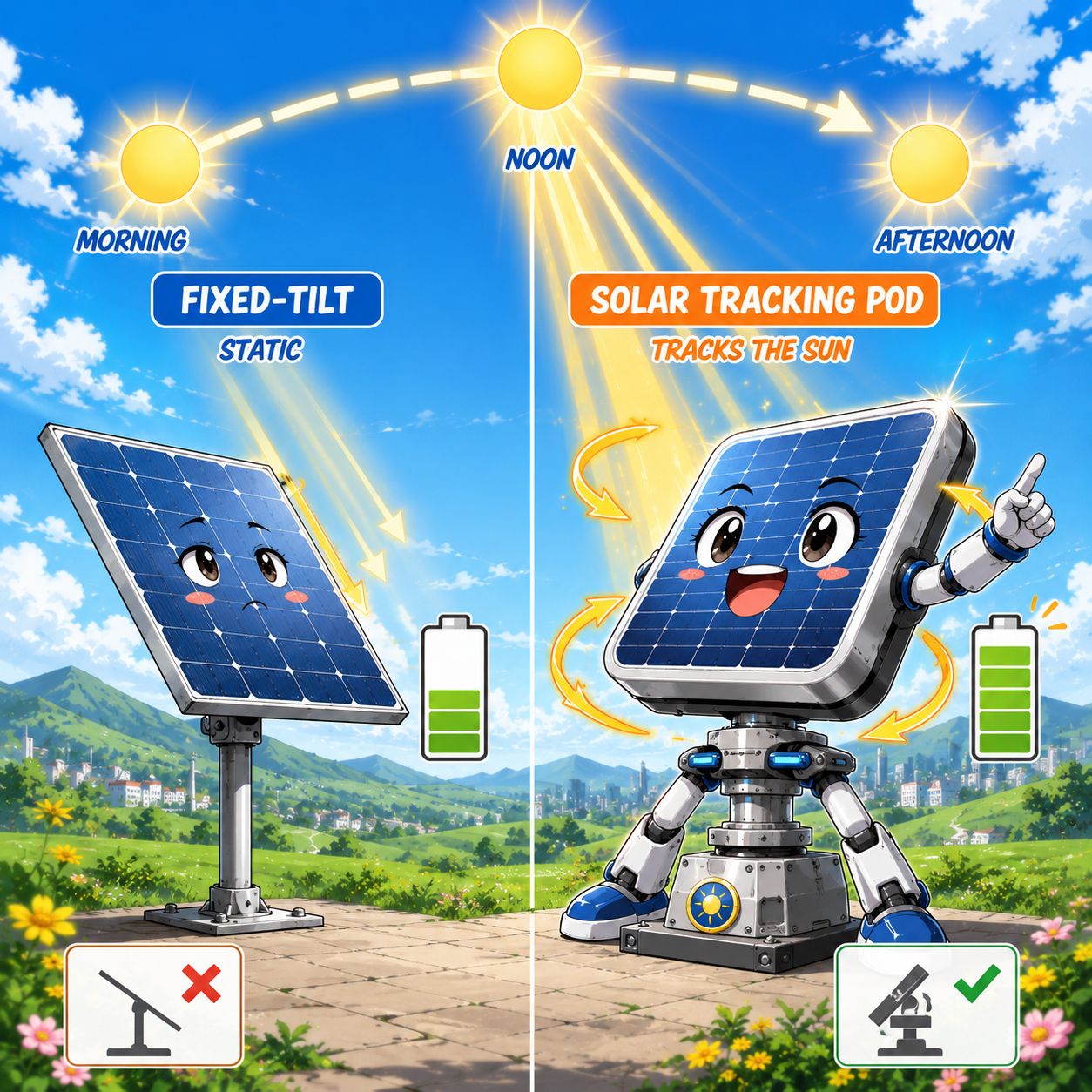
Tracking versus fixed solar comparison
Panel 5

The comparison begins.

The class sees the difference: fixed solar is simple and strong. Tracking solar can follow light through the day. Neither wins automatically.

“The right answer depends on the job.”
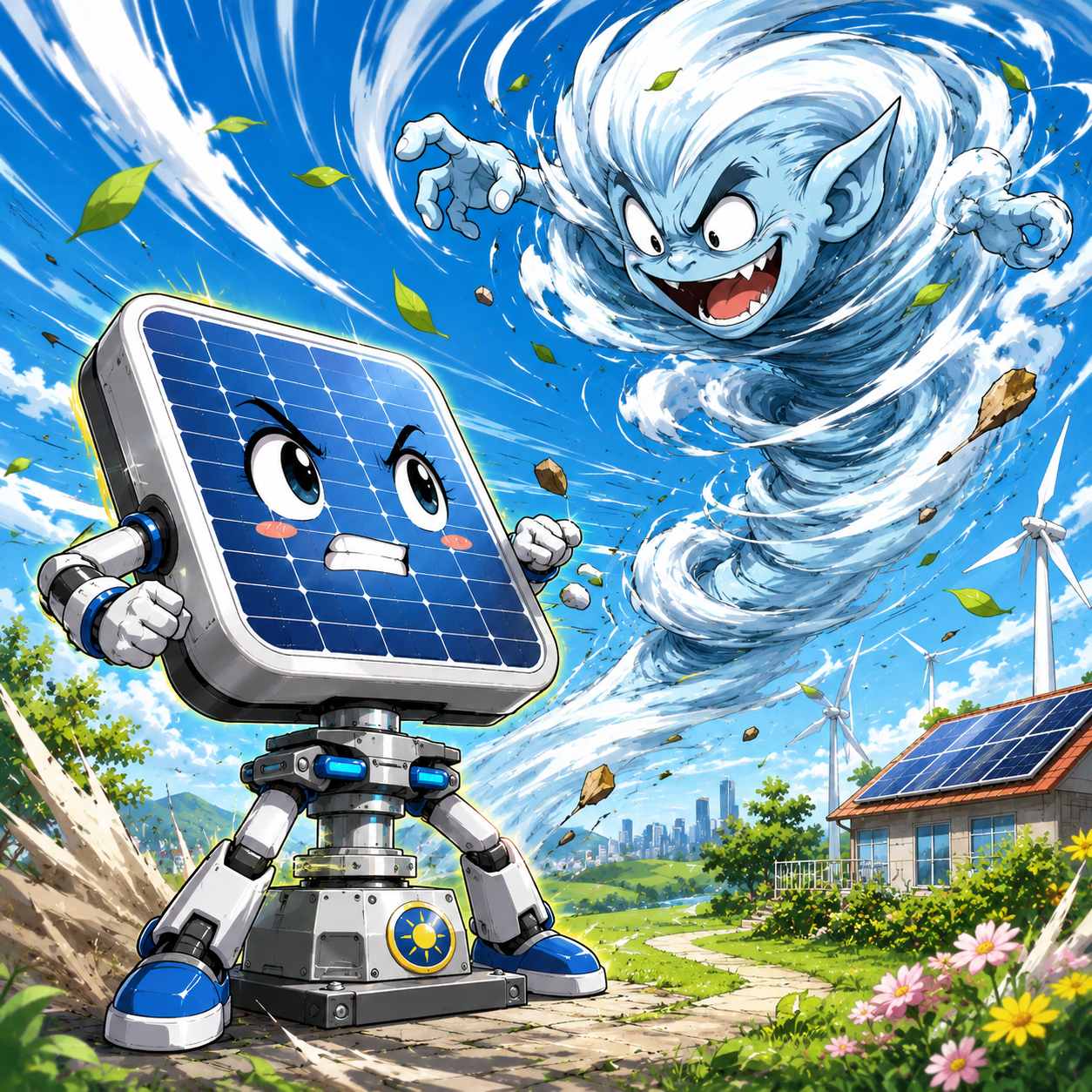
Wind Goblin arriving
Panel 6

The Wind Goblin appears.

Just as Solar Pod Boy celebrates, a gust slams into the yard. The Wind Goblin grins. The lesson changes immediately.

“Cute tracker. Where is your stow position?”
The lesson: the sun moves, but that is only the beginning.

Tracking solar is based on a real idea: a panel can collect more useful sunlight when it is better aligned with the sun. But every movement adds engineering responsibilities.

  • Morning and afternoon angles can matter.
  • Fixed solar is simpler and often the better answer.
  • Tracking needs motors, controls, structure, and maintenance.
  • Wind can turn a moving panel into a problem.
  • The load must justify the extra motion.
Solar tracking versus fixed comparison graphic

Episode 1 technical board.

This is the plain-language engineering hidden inside the joke.

What Episode 1 teaches

Sun path The sun appears to move across the sky, changing the angle of light hitting the panel.
Fixed tilt A fixed panel chooses one angle and accepts the compromise.
Tracking A tracking panel moves to improve alignment, especially outside the strongest fixed-solar window.
Production timing The value of tracking depends on when the energy is needed.
Hardware burden Movement means actuators, pivots, wiring loops, controls, and service access.
Wind reality Tracking must include structure, anchoring, safe stow, and maintenance planning.

Episode 1 verdict.

Solar Pod Boy is not wrong to follow the sun. Fixed-Tilt Sensei is not wrong to stay still. The real question is whether the motion produces enough useful value to justify the added engineering.

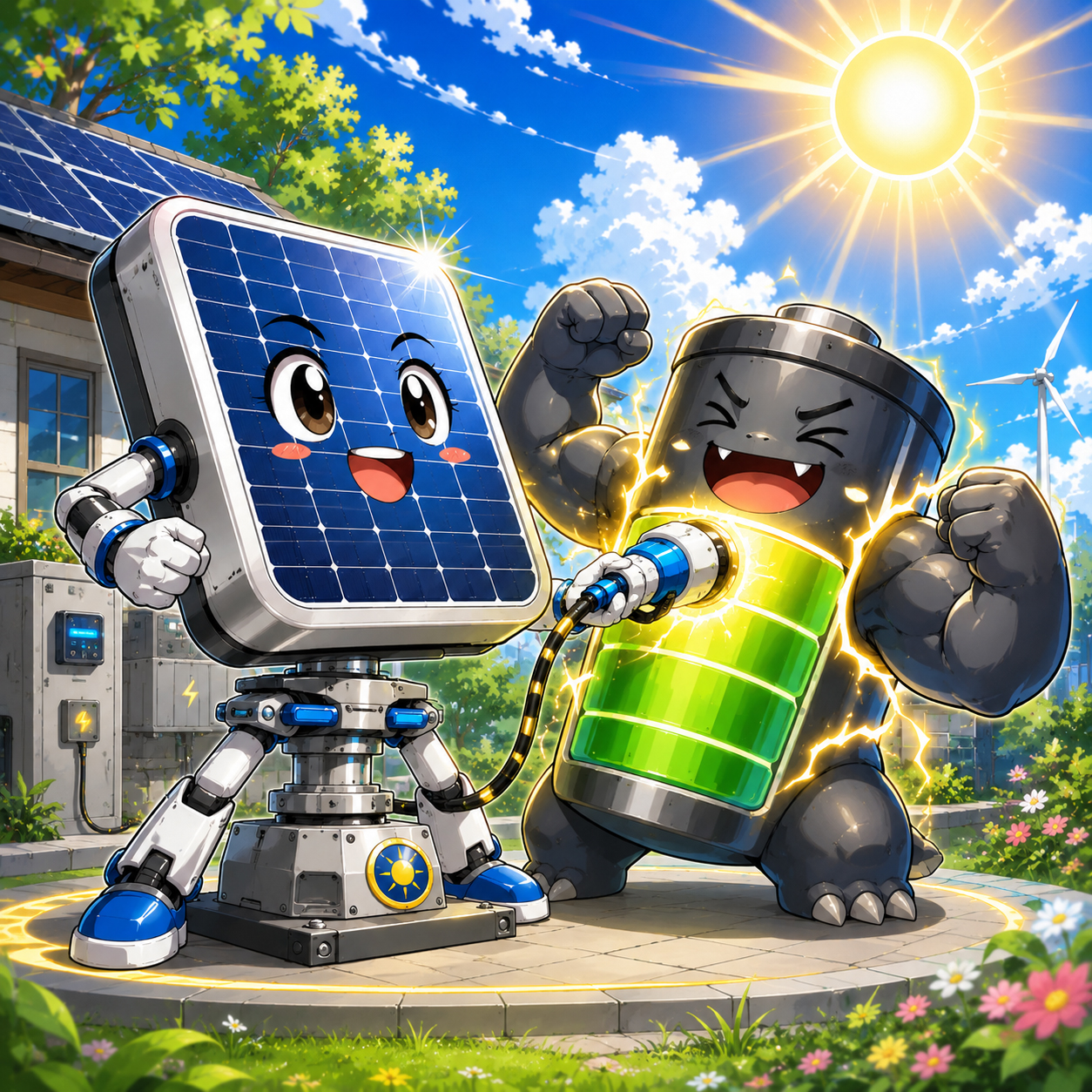
Battery Beast charging from solar tracking pod

The next problem: who needs the power?

Episode 1 proves that tracking can follow the sun. The next episodes ask the harder question: what load actually benefits?

  • Batteries care about charging windows.
  • EV chargers have big appetites.
  • Water pumps care about gallons and runtime.
  • Schools care about visible lessons.
  • Disaster power cares about critical loads.

Continue reading.

The story moves from sun-following excitement into practical design.

Comedy, not construction advice.

This episode is an educational manga concept. Actual solar tracking systems require qualified solar, structural, electrical, controls, and permitting professionals.