Episode 4

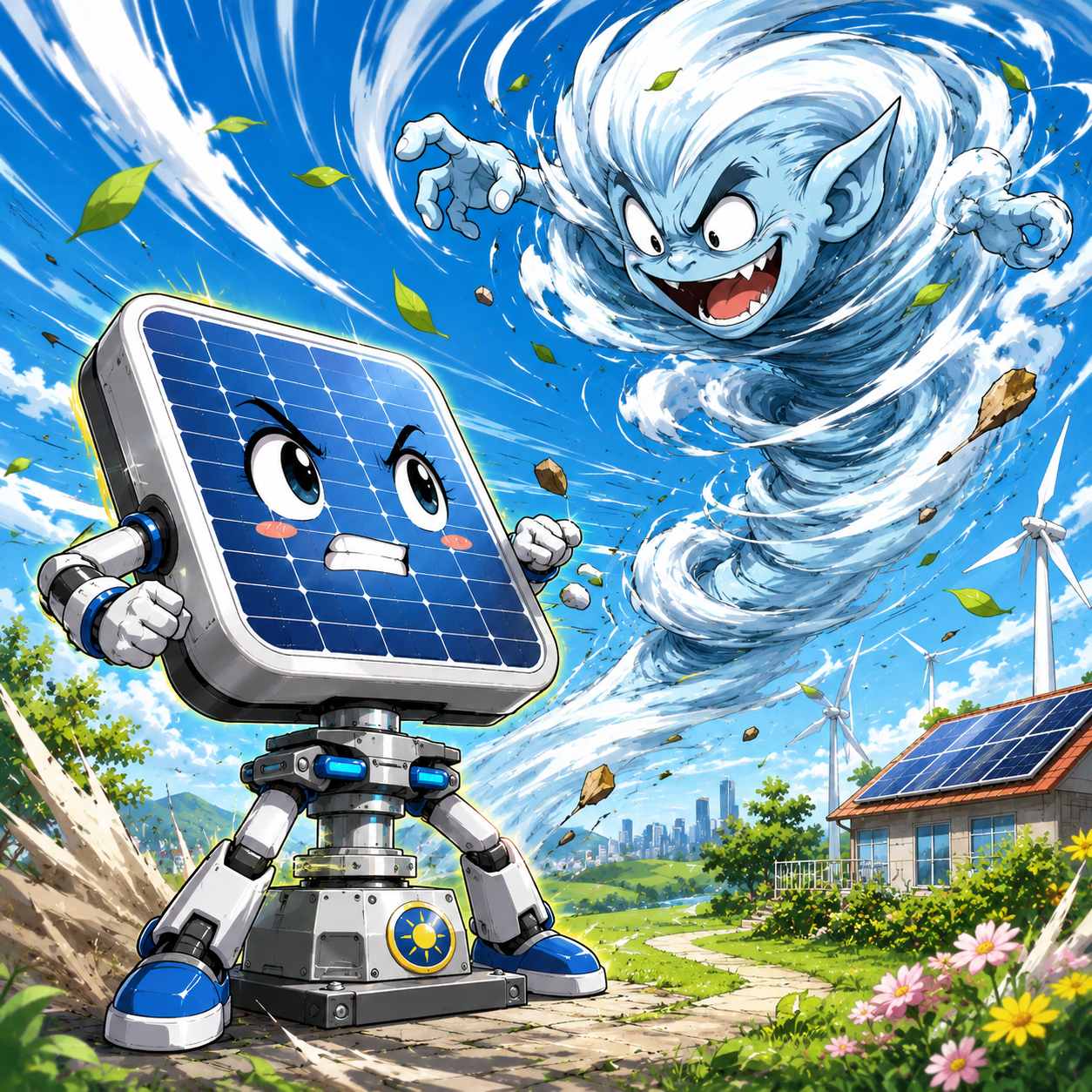
Wind Goblin Attacks.

Solar Pod Boy finally feels like a real tracker. Then the Wind Goblin arrives with gusts, flying leaves, and one brutal question: “Where does the force go?”

Wind Goblin attacking a solar tracker
GUST
MODE!

The episode.

Episode 4 is where the manga stops being cute and starts being structural. The villain is funny. The lesson is not.

Wind Goblin blasting Solar Pod Boy
Panel 1

The gust arrives.

Solar Pod Boy is turned proudly toward the afternoon sun when the sky suddenly changes. A gust curls over the field. The Wind Goblin appears, grinning like a building inspector with bad news.

“Nice panel. Big surface area.”
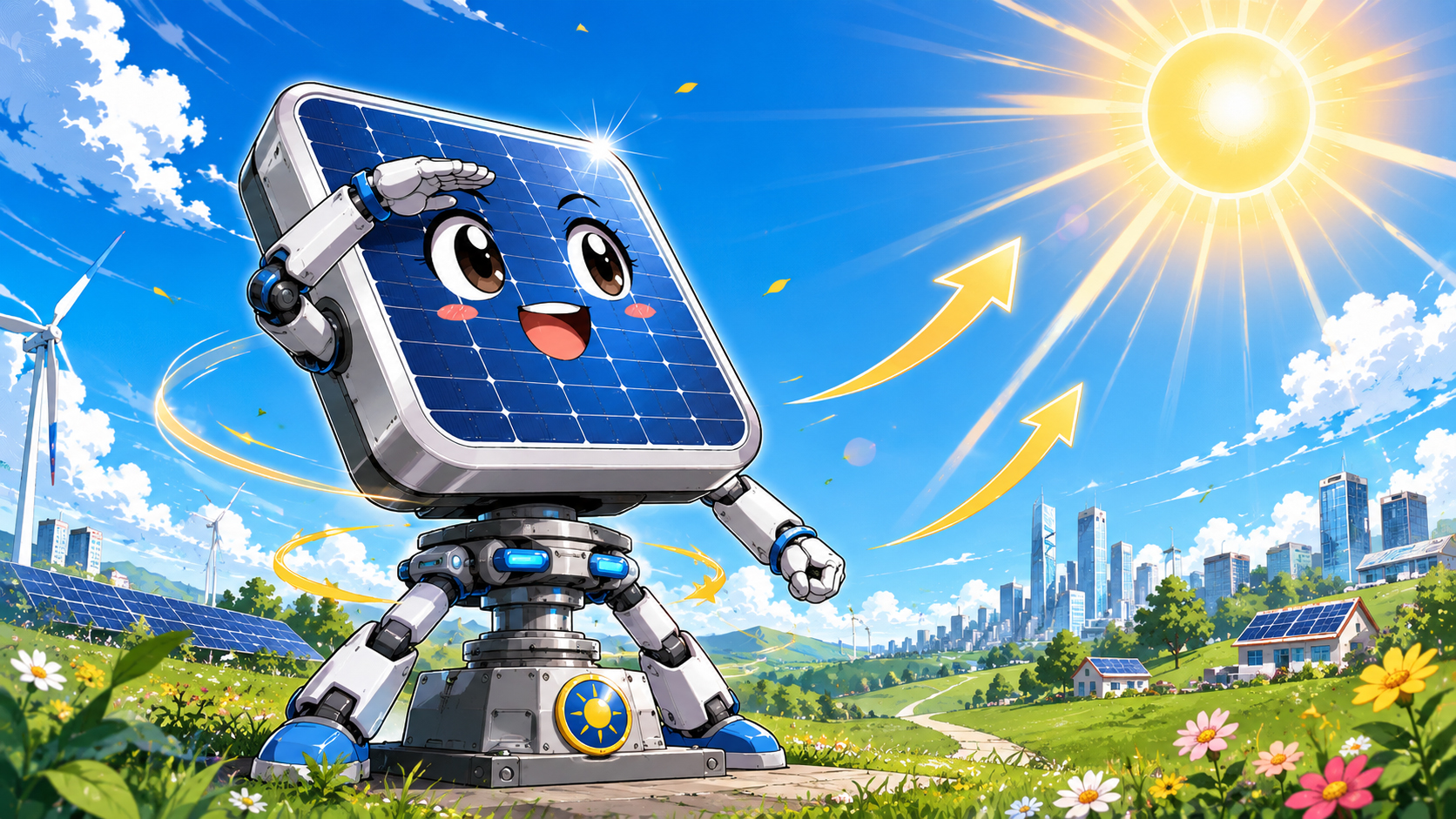
Solar Pod Boy trying to brace against wind
Panel 2

Solar Pod Boy braces.

The pod digs in. His rotating base whirs. His little bolts sweat. He tries to stay heroic, but wind does not respect enthusiasm.

“I track the sun! I can handle a breeze!”

Professor Sol-Turn explaining load path
Panel 3

Professor Sol-Turn shouts the real question.

The professor does not ask whether the pod is brave. He asks whether the structure has a load path.

“Panel to frame, frame to mount, mount to foundation — where does the force go?”
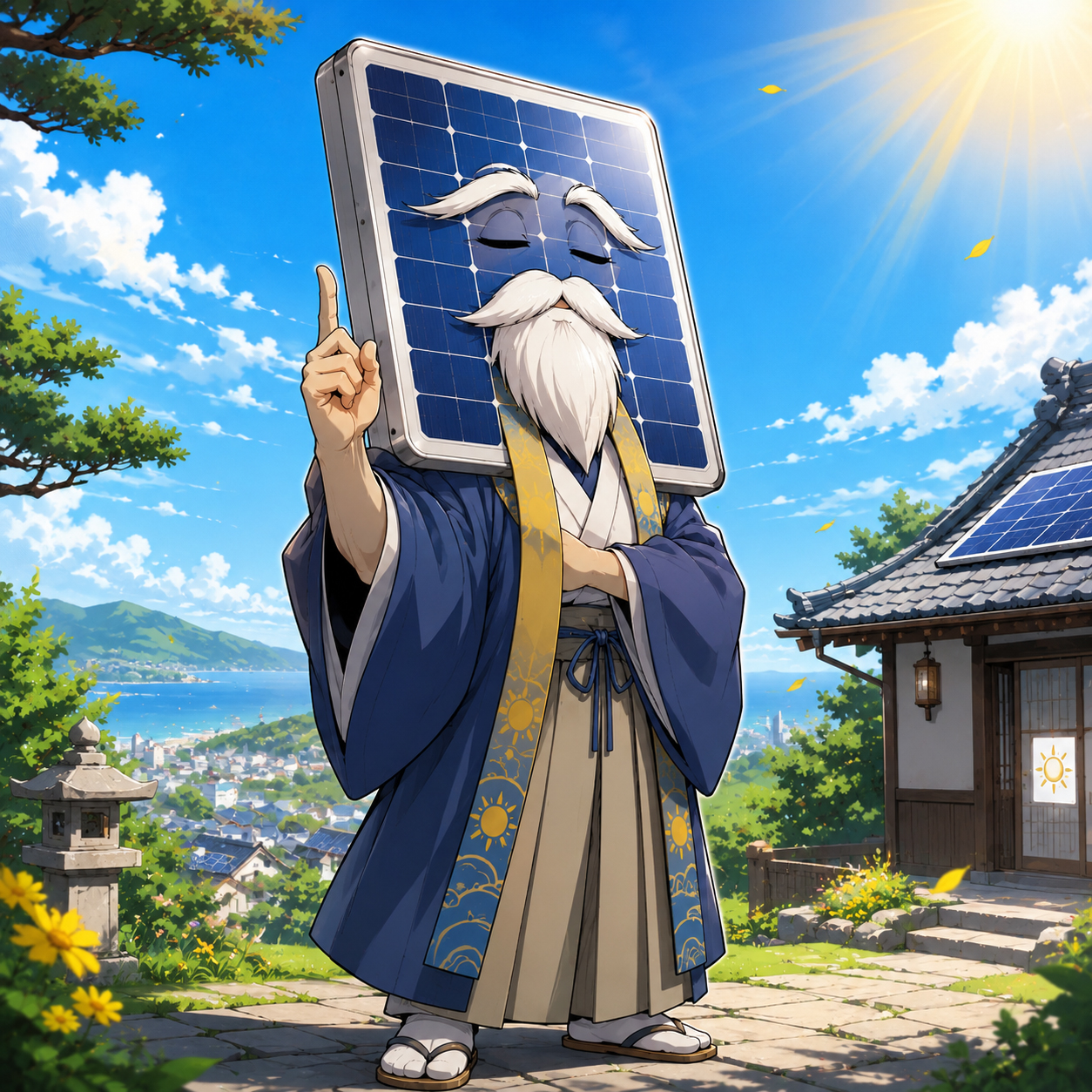
Fixed Tilt Sensei calmly explaining wind
Panel 4

Fixed-Tilt Sensei stands still.

Fixed-Tilt Sensei is not immune to wind, but he has fewer moving positions. His calm is not laziness; it is simplicity.

“Fewer moves, fewer surprises.”
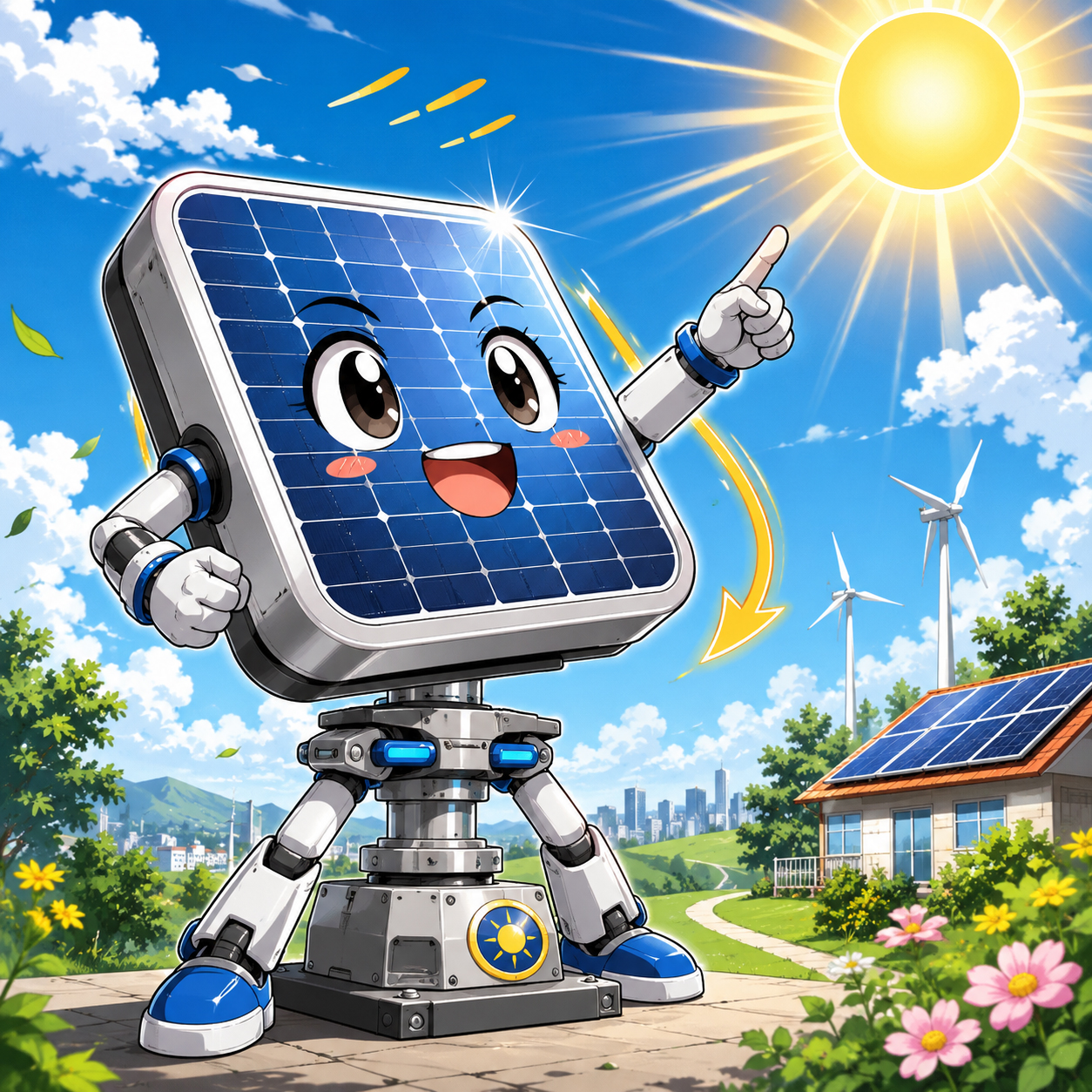
Solar tracking pod needing stow position
Panel 5

The stow command saves the day.

Professor Sol-Turn hits the stow command. Solar Pod Boy stops chasing sunlight and moves into a safer wind posture.

“Today the heroic move is stopping.”
Wind Goblin retreating after stow
Panel 6

Wind Goblin retreats, but leaves homework.

The pod survives. The Wind Goblin does not apologize. He leaves behind a checklist: anchoring, stow, fasteners, controls, and inspection.

“I will be back at the next lazy design.”
The lesson: structure before swagger.

A solar tracker is not just a panel that moves. It is a moving wind surface. The system must be designed for forces, safe positions, maintenance, and failure conditions.

  • Wind force needs a complete load path.
  • Trackers need a safe stow position.
  • Foundations or ballast must be engineered.
  • Moving wires and pivots need inspection.
  • Fixed solar may be the safer, simpler answer.
Wind Goblin teaching structure lesson

Episode 4 technical board.

The wind lesson is the first serious gatekeeper for solar tracking pods.

What Episode 4 teaches

Wind surface A solar panel can behave like a sail, especially when tilted or raised.
Load path Forces must move safely from panel to frame to mount to foundation or structure.
Stow position A tracker needs a safer position for high winds, faults, maintenance, and shutdown.
Controls The controller must know when to stop tracking and command safe behavior.
Inspection Bolts, pivots, actuators, wiring, and anchors must be checked over time.
Site exposure Open fields, rooftops, hillsides, ranches, and schools have different wind realities.

Episode 4 verdict.

Tracking solar is not credible until wind and structure are credible. If the pod cannot stow, hold, transfer loads, and be inspected, Fixed-Tilt Sensei wins.

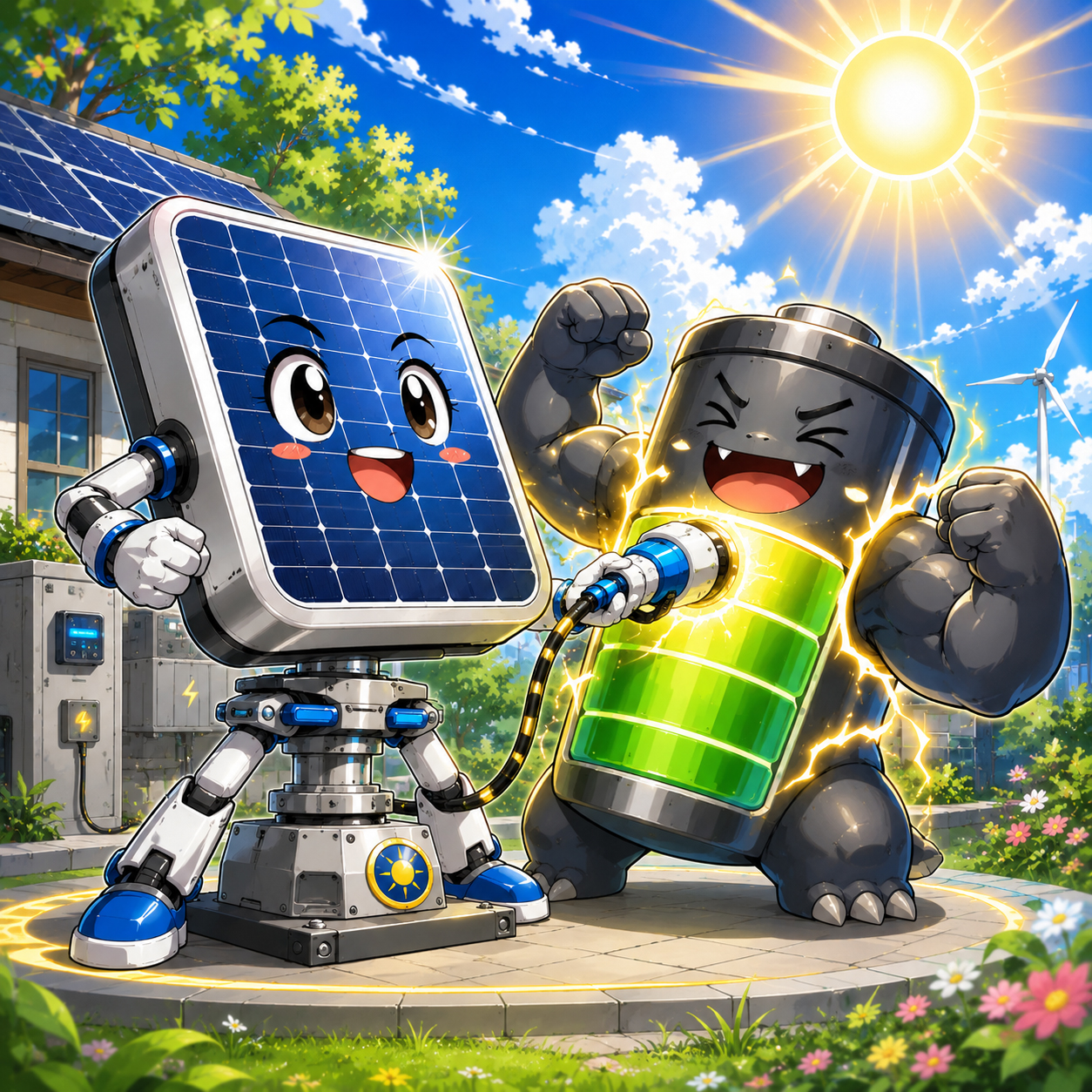
Battery Beast charging

Next problem: Battery Beast wants proof.

After surviving the wind, Solar Pod Boy returns to the energy question. Episode 5 asks how batteries actually eat: watts, watt-hours, charge limits, and runtime.

  • Battery charging must match real loads.
  • Storage capacity is not infinite.
  • Inverter limits matter.
  • Solar timing is only useful when the battery can use it.

Continue reading.

The story moves from structural survival into battery reality.

Comedy, not construction advice.

This episode is an educational manga concept. Actual solar tracking systems require qualified structural, electrical, mechanical, controls, permitting, and inspection professionals.