Solar Tracking Pods FAQ.
Straight answers about solar tracking pods, fixed solar, batteries, EV charging, water pumping, wind, structure, maintenance, school demonstrations, disaster power, and why the manga is not engineering advice.

THE
PROF!
General questions.
Start here before choosing a tracker, fixed array, battery, EV charger, pump, or manga episode.
What is a Solar Tracking Pod?
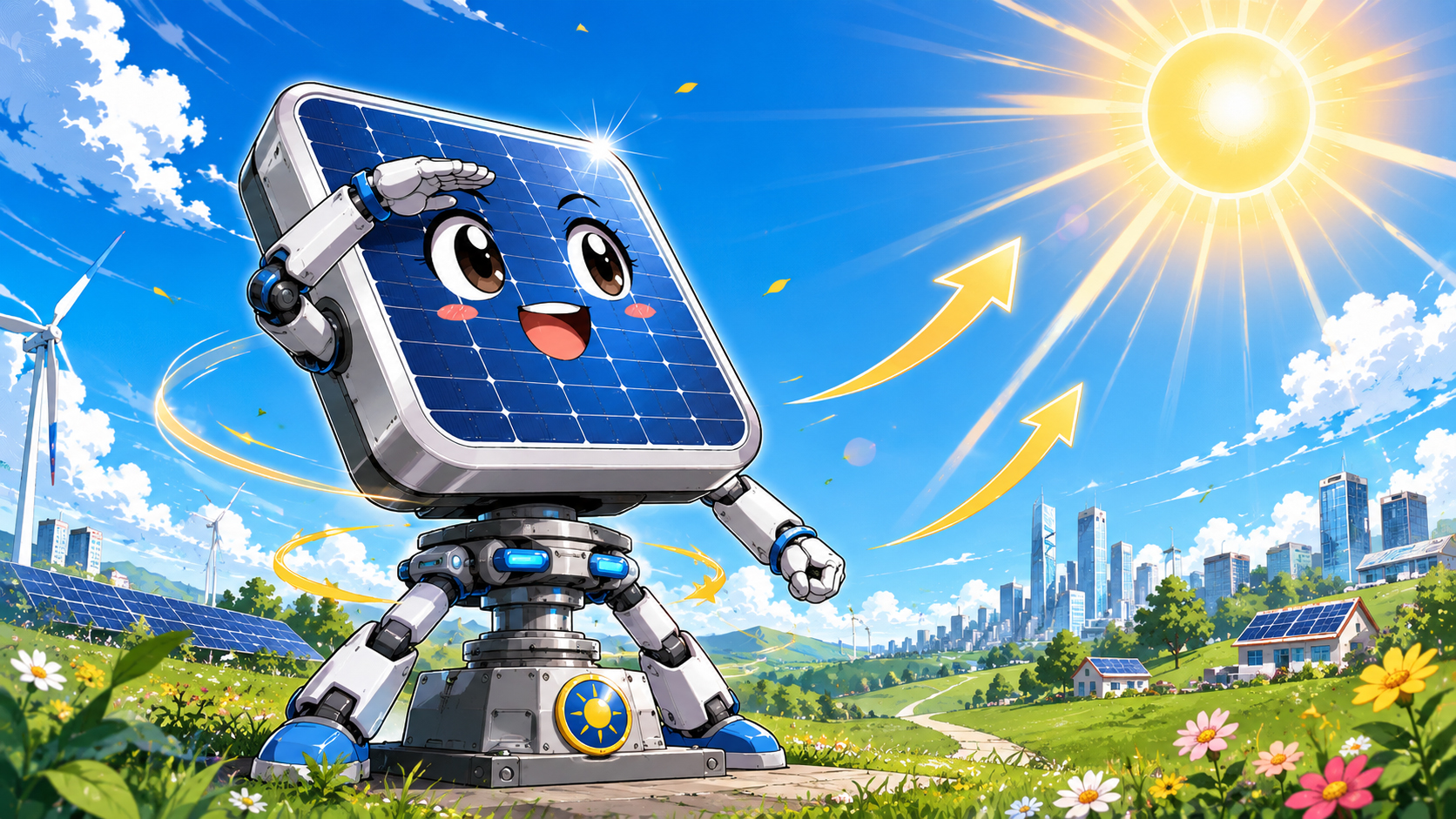
A Solar Tracking Pod is the site’s fictional/educational concept for a compact solar unit that can follow the sun. The manga version is Solar Pod Boy. The real-world version would be a solar module or module group on a moving mount with controls, structure, wiring, safety equipment, and maintenance requirements.
The concept is useful for explaining solar tracking, batteries, EV charging, water pumping, school demonstrations, and disaster-power ideas.
Is this a real product?
SolarTrackingPods.com is an educational and manga-style concept site. It explains ideas and tradeoffs. It should not be treated as a catalog, engineering plan, installation manual, or product specification.
Is tracking solar always better than fixed solar?
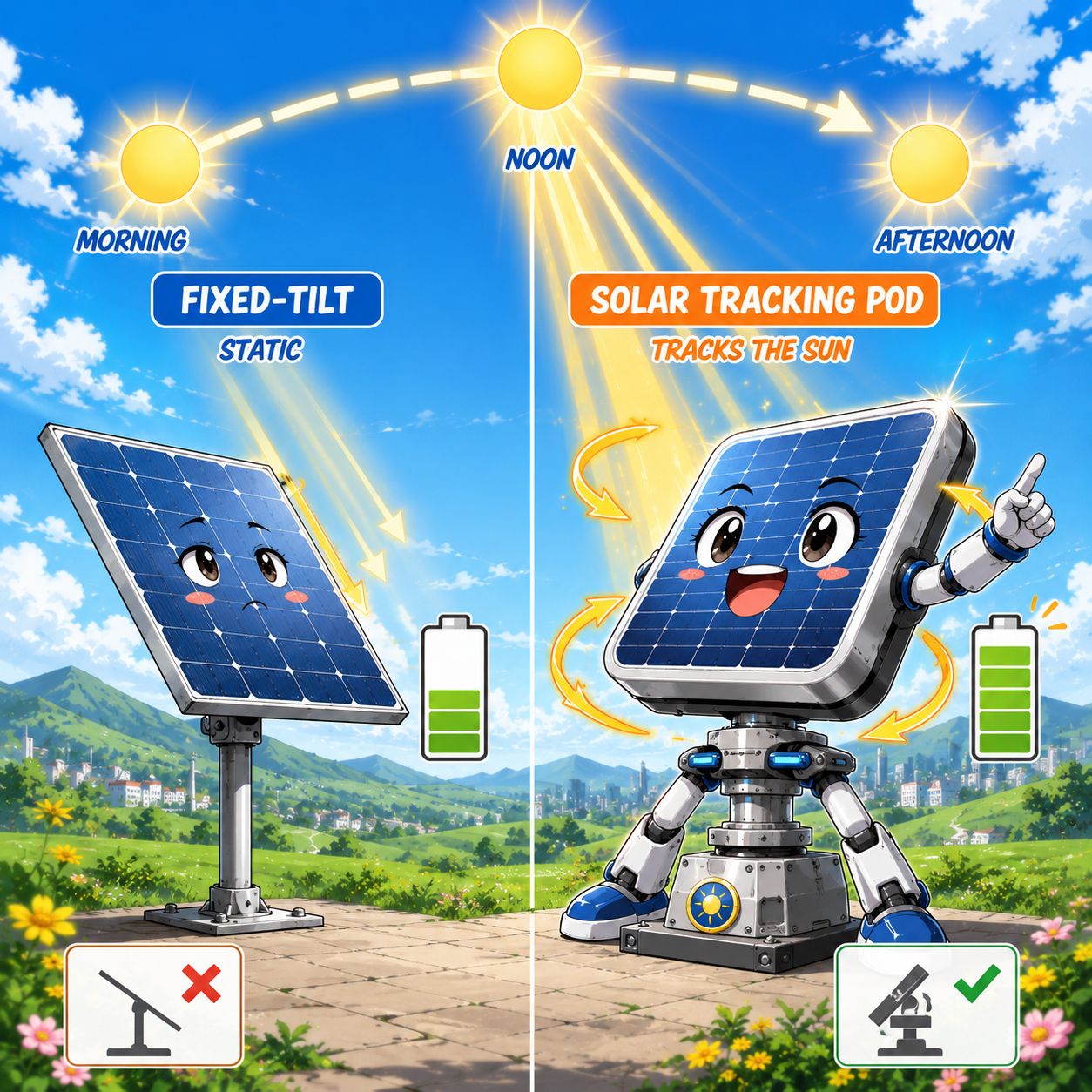
No. Fixed solar often wins because it is simpler, stronger, easier to maintain, and usually easier to permit. Tracking only makes sense when the extra movement creates enough useful value to justify motors, controls, foundations, wind review, wiring movement, and inspection.
What is the biggest problem with tracking solar?
The biggest practical problems are wind, structure, moving parts, controls, and maintenance. A moving panel can act like a sail. The system needs a safe stow position, engineered anchoring, a complete load path, protected wiring, and service access.
Wind Goblin is funny, but wind loading is not. See Wind and Structure.
Why use manga to explain solar engineering?
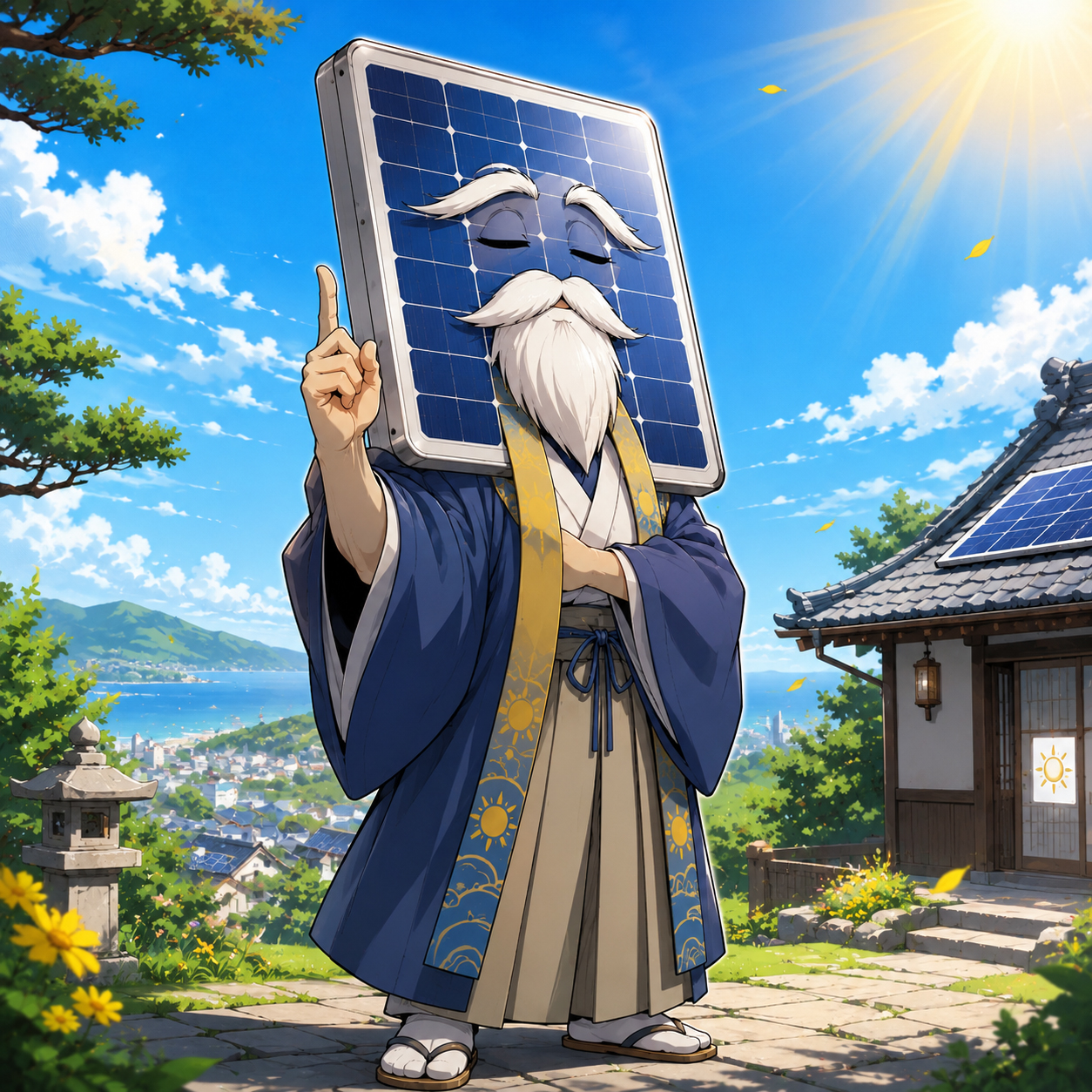
Manga gives the technical tradeoffs memorable characters. Solar Pod Boy represents tracking excitement. Fixed-Tilt Sensei represents simplicity. Wind Goblin represents structural reality. Battery Beast represents storage limits. Professor Sol-Turn explains the engineering.
The short answer: Fixed-Tilt Sensei wins often.
Tracking is interesting. Fixed solar is usually the first serious comparison. Any tracking idea must beat the practical alternative.
- Can more fixed panels solve the same problem?
- Does tracking improve the production timing enough?
- Can the tracker survive wind and weather?
- Who maintains the moving hardware?
- Does the load actually need morning or afternoon production?
Applications FAQ.
Solar pods become more interesting when the energy has a defined job.
Can a tracking pod charge batteries?
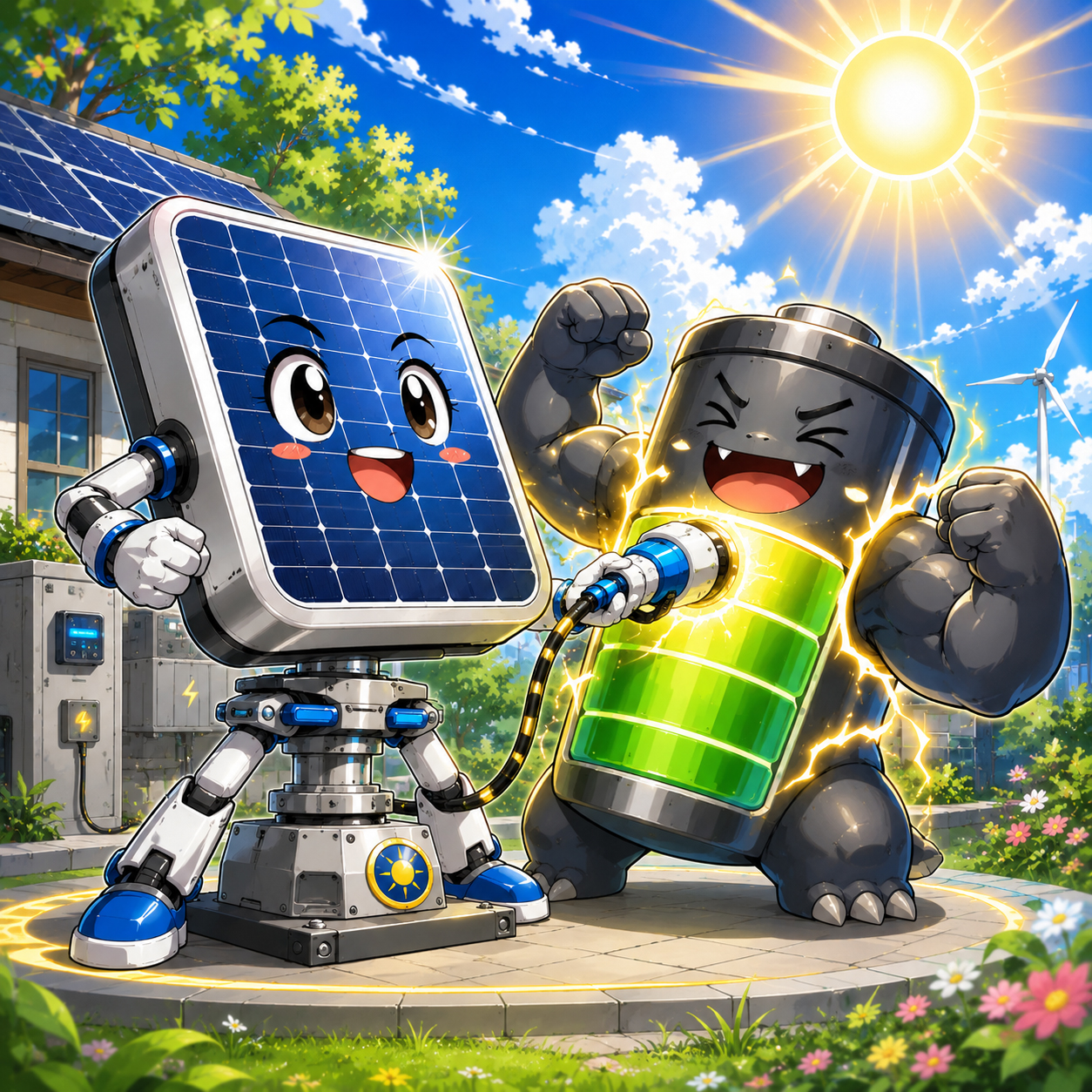
Conceptually, yes. Tracking may help stretch the charging window, especially morning or afternoon. But battery design starts with loads, runtime, inverter capacity, charge limits, weather, and safety. The battery plan comes before the tracking excitement.
See Battery and Tracking.
Can a solar tracking pod charge an EV?
It can support the concept, but EV charging is energy-hungry. A small solar pod is not a magic gas station. Real EV charging requires kWh modeling, charger power limits, utility service or battery support, listed equipment, permits, and code-compliant installation.
See EV Charging Pods.
Is water pumping a good use case?
Yes, remote water pumping is one of the clearest solar jobs because sunlight can be used to move water into storage tanks. Start with gallons per day, pump head, pipe distance, flow rate, tank storage, controls, and backup needs. Then decide whether fixed solar, tracking solar, batteries, or water storage makes sense.
See Remote Water Pumping.
Could this help farms or ranches?
Possibly, if the system serves defined ranch loads such as water pumping, gates, cameras, barn lights, sensors, batteries, or UTV/EV charging. Ranch systems also need protection from animals, vehicles, dust, irrigation, and wind.
Could a school use a tracking pod as a demonstration?
A school demonstration is a strong educational use case because tracking makes solar geometry visible. Students can learn sun path, angle, watts, watt-hours, batteries, fixed-vs-tracking tradeoffs, and safety. Hardware must be supervised, guarded, labeled, and installed safely.
Can a tracking pod provide disaster power?
Only if the loads are carefully limited and the system is professionally designed. Disaster power starts with critical loads, battery capacity, inverter limits, safe transfer/islanding, solar recharge expectations, equipment protection, and testing. A small pod cannot be assumed to back up an entire building.
See Disaster Power Pods.
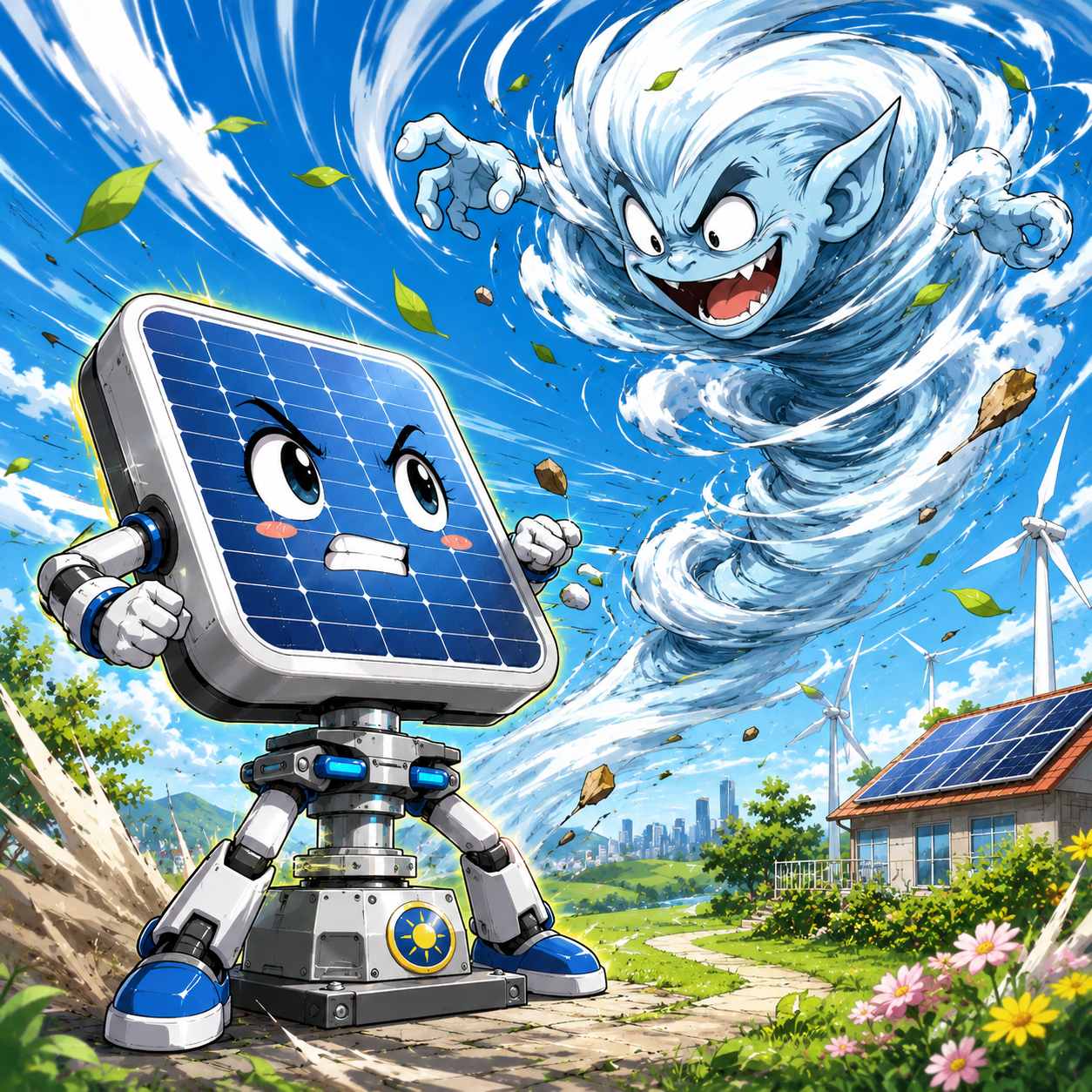
Wind Goblin answers every “can’t we just…” question.
No, you cannot just bolt a moving panel anywhere. No, you cannot ignore stow. No, you cannot skip the load path. No, you cannot assume “small” means “safe.”
- Wind loading changes with panel position.
- Moving hardware needs safe clearance.
- Foundations or ballast need review.
- Wire paths must survive repeated motion.
- Maintenance access is part of the design.
Technical and safety FAQ.
These are the questions that keep the manga honest.
What is a stow position?
A stow position is a safer position for the tracker during high wind, storms, faults, maintenance, or shutdown. It is the opposite of “always chase the sun.” A good tracker knows when to stop being heroic.
What does load path mean?
Load path means the route force travels through the system: panel to frame, frame to mount, mount to post or support, support to foundation, roof, ballast, or ground. If any link is weak, the system is weak.
Do tracking pods need maintenance?
Yes. Moving parts require inspection. Fasteners, actuators, bearings, pivots, sensors, limit switches, wiring loops, control logic, stow behavior, corrosion, dust, and service access all matter.
Are tracking pods good for roofs?
Usually, fixed roof solar is the practical answer. Roof-mounted tracking creates concerns about uplift, moving equipment, waterproofing, setbacks, service access, structural loads, and permitting. Tracking is generally more realistic as a ground-mounted or specialty demonstration concept.
Does this site provide engineering advice?
No. This site is educational and conceptual. It is not engineering advice, electrical advice, structural advice, fire-code advice, permitting advice, or installation instruction. Actual systems require qualified professionals, code-compliant equipment, permits, inspections, and utility coordination where required.
Who is behind SolarTrackingPods.com?
SolarTrackingPods.com is brought to you by ABC Solar Incorporated. The site uses manga comedy to explain serious solar design tradeoffs and encourage responsible planning.
Quick paths.
Pick the question your project is really asking.
FAQ bottom line.
Solar tracking is exciting when movement has a mission. Fixed solar is often the practical champion. Batteries, EVs, pumps, schools, and disaster power all need real load planning. Wind and maintenance decide whether the idea survives.